
Dog training that works with your dog, not against it
Step-by-step guides for puppies, everyday skills and behavior problems – built on what research says about how dogs learn.
What do you want to work on?
Three areas, one method: reward what you want, manage what you don't, and raise the difficulty slowly.
Dog Training
Step-by-step dog training guides: house training, crate training, recall, loose-leash walking and the science of reward-based methods.
8 guidesDog Behavior
Why dogs bark, bite, jump, chew or panic when left alone – and humane, practical plans to change the behavior.
5 guidesDog Breeds
Breed profiles with a training focus: temperament, exercise needs, typical challenges and what each breed was originally bred to do.
Start here
The skills and problems dog owners ask about most.
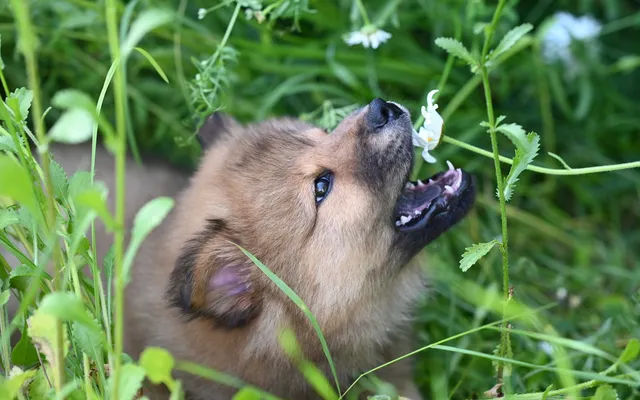
How to House Train a Puppy: Schedule, Supervision and Rewards
House training a puppy step by step: how often to go out at each age, how to supervise and reward, what to do after accidents and how to handle nights.

Loose Leash Walking: How to Teach Your Dog Not to Pull
Teach loose leash walking with rewards: why dogs pull, the right harness and leash, the reward position, stop-and-go, and raising difficulty step by step.

Recall Training: How to Teach Your Dog to Come When Called
Build a reliable recall step by step: choose and charge a cue, practice on a long line, protect the cue, and proof it against distractions.

How to Stop a Dog From Barking: Causes and Calm Fixes
Dogs bark for different reasons. Learn to tell alert, demand, fear, boredom and alone-barking apart and how to reduce each one with reward-based training.

Dog Separation Anxiety: Signs, Causes and Gradual Training
How to tell separation anxiety from boredom or house-training gaps, and how to build calm alone time step by step while staying below your dog's threshold.

Clicker Training for Dogs: How It Works and How to Start
Clicker training marks the exact moment your dog gets it right. How the clicker works, how to charge it, first exercises, timing rules and common mistakes.
How petschool.ai trains
Reward what you want
Dogs repeat what pays off. Marking the right moment and following it with food, play or access to something the dog wants builds behavior faster than correcting mistakes – and it keeps the dog willing to try.
Manage what you don't want
A puppy that cannot reach the shoes cannot practise chewing them. Gates, leashes, distance and routines stop unwanted behavior from being rehearsed while the new behavior is still weak.
Raise difficulty in small steps
Sit in the kitchen is not sit at the park. Every guide adds duration, distance and distraction one at a time, with clear criteria for when to move on and when to go back a step.
Know the limits of a guide
Aggression, panic when left alone or a sudden change in behavior need a veterinarian or a qualified behavior professional. We say so plainly instead of promising quick fixes.
Why reward-based?
Studies that compare training styles point in the same direction: dogs trained with aversive methods – leash jerks, shouting, shock or prong collars – show more stress signals during training and more fearful behavior afterwards, without learning more reliably. Veterinary behavior organisations such as the American Veterinary Society of Animal Behavior therefore recommend reward-based methods for all dogs, including those with behavior problems.
That does not mean permissive. Reward-based training sets clear rules; it simply teaches them by making the right choice easy and worthwhile instead of making the wrong one painful.
Breed profiles with a training focus
What each breed was bred to do – and what that means for daily training.
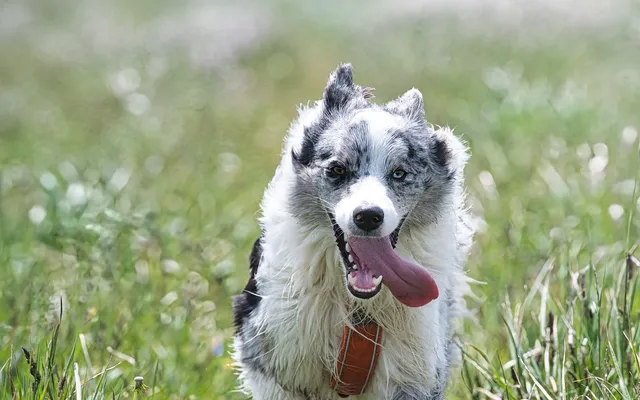
Border Collie: Training, Temperament and Breed Profile
Border Collie breed profile with a training focus: herding instinct, mental work, the over-arousal trap, an off-switch, health and who it does not suit.

French Bulldog: Training, Temperament and Health Profile
French Bulldog breed profile with a training focus: temperament, short sessions, heat limits, an honest look at BOAS and what to check before buying.

German Shepherd: Training, Temperament and Breed Profile
German Shepherd breed profile with a training focus: temperament, exercise and mental work, socialization, common challenges, health risks and who it suits.
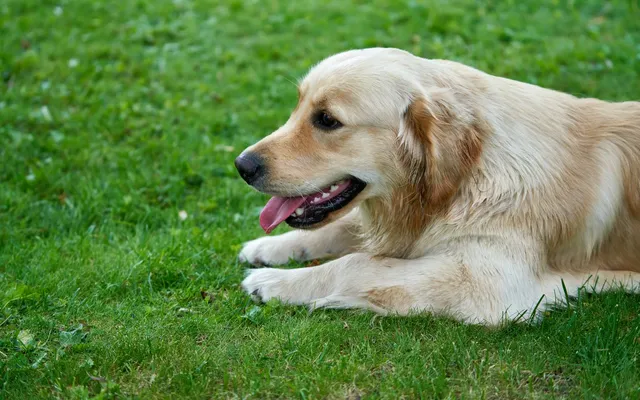
Golden Retriever: Breed Profile, Temperament and Training Guide
Golden Retriever profile: size, weight, lifespan, temperament, exercise and health risks, plus the training priorities that matter most for this breed.

Labrador Retriever: Breed Profile, Temperament and Training
Labrador Retriever profile with a training focus: origin, working vs. show lines, food motivation and weight, exercise, health risks and who the breed suits.
Frequently asked questions
What age should I start training my dog?
Start the day your dog comes home. Puppies can learn their name, house training and simple cues such as sit from around eight weeks, as long as sessions are short – two to five minutes – and based on rewards. Adult and senior dogs learn just as well; they may only need more repetitions to replace existing habits.
How long should a training session be?
Three to five minutes, several times a day, works better than one long session. End while your dog is still keen and has just succeeded. Puppies tire quickly and learn best in very short bursts spread across the day, built into meals, walks and play.
Do I need treats forever?
No. Food is the fastest way to build a new behavior. Once the behavior is reliable, you reward less often and unpredictably and mix in other rewards such as play, praise or the chance to go and sniff. Difficult situations still deserve good pay.
Can I train my dog without a professional trainer?
Most everyday skills – house training, sit, recall, loose-leash walking – can be taught at home with a clear plan and consistency. A qualified trainer or behavior professional is worth the money for aggression, severe fear, separation-related distress or if you see no progress after several weeks.
Is petschool.ai free?
Yes. All guides are free to read without registration. The site sets no tracking cookies. Where we link to products, those links may be affiliate links and are marked as such.