Dogs: All Training, Behavior and Breed Guides
This is the complete index of our dog guides. If you have a new puppy, start with the training schedule and house training. If one specific behavior is the issue, jump straight to the behavior section.
Dog Training
Step-by-step dog training guides: house training, crate training, recall, loose-leash walking and the science of reward-based methods.
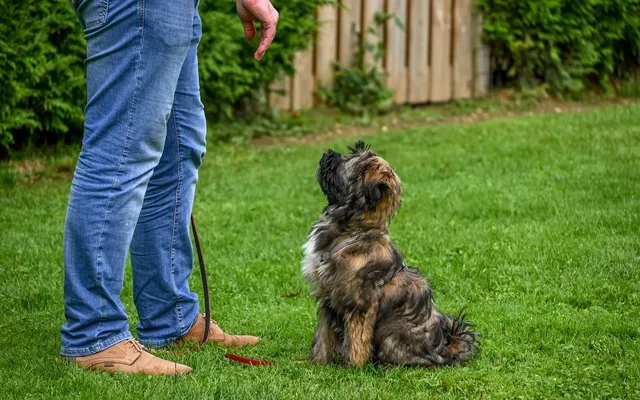
Basic Dog Commands: How to Teach Sit, Down, Stay, and More
Teach six basic dog commands with rewards: sit, down, stay, come, leave it, and place. Step-by-step luring, markers, adding the cue, and the 3 Ds of proofing.

Clicker Training for Dogs: How It Works and How to Start
Clicker training marks the exact moment your dog gets it right. How the clicker works, how to charge it, first exercises, timing rules and common mistakes.

How to Crate Train a Puppy or Dog: A Calm 7-Step Plan
Crate training step by step: the right size, positive associations, closing the door, time limits by age and what a crate should never be used for.
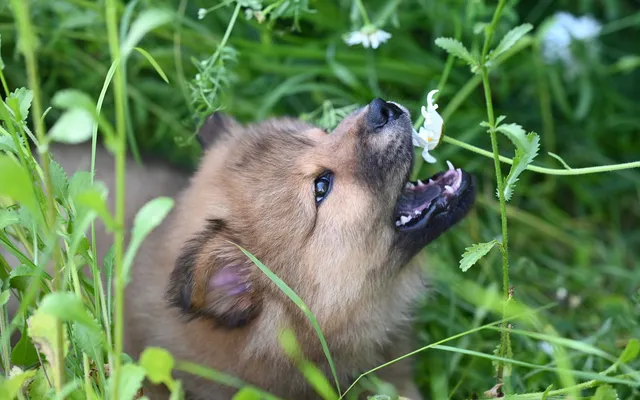
How to House Train a Puppy: Schedule, Supervision and Rewards
House training a puppy step by step: how often to go out at each age, how to supervise and reward, what to do after accidents and how to handle nights.

How to Train Your Dog at Home Without a Trainer
Train your dog yourself at home: how to set up short sessions, time rewards, follow an 8-week starter plan, and recognize when a trainer is needed.

Loose Leash Walking: How to Teach Your Dog Not to Pull
Teach loose leash walking with rewards: why dogs pull, the right harness and leash, the reward position, stop-and-go, and raising difficulty step by step.
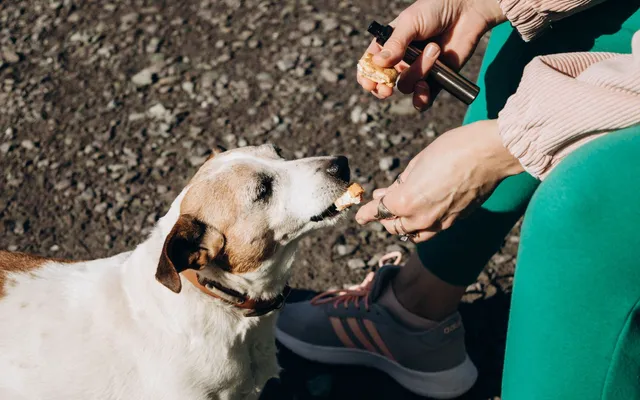
Positive Reinforcement Dog Training: A Practical How-To Guide
Positive reinforcement means rewarding the behavior you want so your dog repeats it. Step-by-step method, choosing rewards, fading treats and common mistakes.

Puppy Socialization: Checklist, Timing and Vaccination Balance
Puppy socialization explained: the sensitive period from 3 to about 14 weeks, an exposure checklist, vaccination balance and reading stress signals.

Puppy Training Schedule: What to Teach from 8 Weeks to 6 Months
An age-based puppy training schedule from 8 weeks to 6 months: what to teach when, how long sessions should be, and which skills can wait until later.

Recall Training: How to Teach Your Dog to Come When Called
Build a reliable recall step by step: choose and charge a cue, practice on a long line, protect the cue, and proof it against distractions.
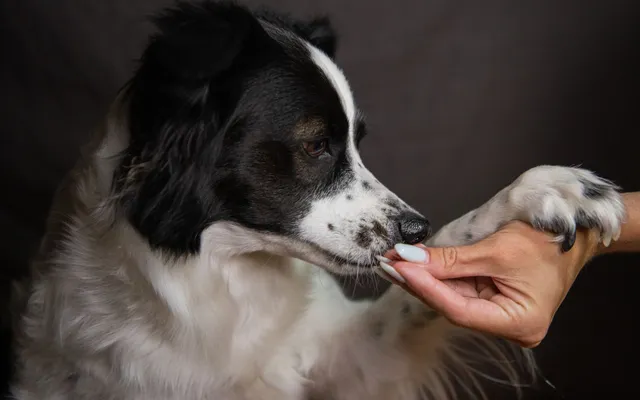
Reward-Based vs. Aversive Dog Training: What the Research Says
What studies show about reward-based and aversive dog training: stress signs, cortisol, behavior problems, effectiveness, and the limits of the evidence.
Dog Behavior
Why dogs bark, bite, jump, chew or panic when left alone – and humane, practical plans to change the behavior.

Destructive Chewing in Dogs: Causes by Age and How to Stop It
Why dogs chew furniture, shoes and cables, how the cause changes with age, and how puppy-proofing, legal chew items and a trade cue redirect the habit.

Dog Body Language: How to Read Ears, Eyes, Tail and Posture
Learn to read dog body language: ears, whale eye, mouth, tail and posture, the early stress signals people miss, and why a growl should never be punished.

Dog Separation Anxiety: Signs, Causes and Gradual Training
How to tell separation anxiety from boredom or house-training gaps, and how to build calm alone time step by step while staying below your dog's threshold.

How to Stop a Dog From Barking: Causes and Calm Fixes
Dogs bark for different reasons. Learn to tell alert, demand, fear, boredom and alone-barking apart and how to reduce each one with reward-based training.
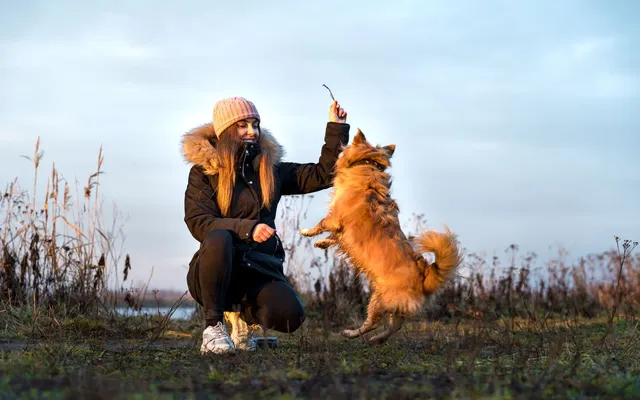
How to Stop a Dog From Jumping Up on People: Step by Step
Dogs jump up because it earns attention. Remove that reward, teach four paws on the floor or a sit to greet, and manage visitors until the habit holds.
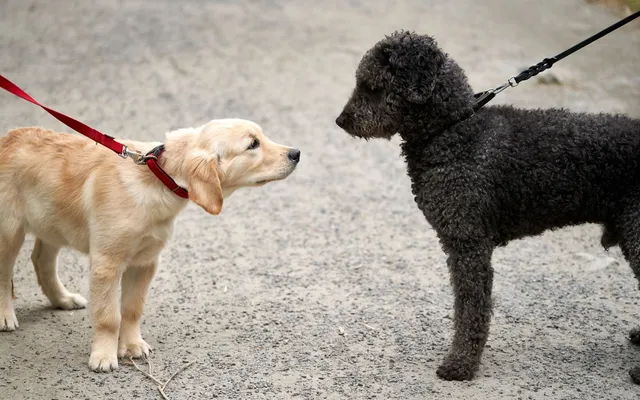
Leash Reactivity: Why Dogs Lunge and Bark, and How to Change It
Leash reactivity is usually fear or frustration, not dominance. Find your dog's threshold distance, manage walks and change the reaction with rewards.
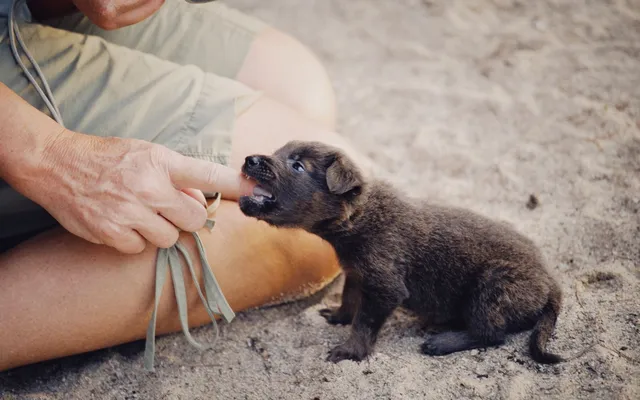
Puppy Biting: How to Stop Nipping and Mouthing Kindly
Puppy biting is normal and usually fades by 6–7 months. How to teach bite inhibition, redirect to toys, pause play, use naps, and keep children safe.

Rehabilitating a Rescue Dog: A Realistic Plan for the First Months
How to help a rescue dog settle in: what to expect after 3 days, 3 weeks and 3 months, how to build trust with a fearful dog, and when to get help.
Dog Breeds
Breed profiles with a training focus: temperament, exercise needs, typical challenges and what each breed was originally bred to do.
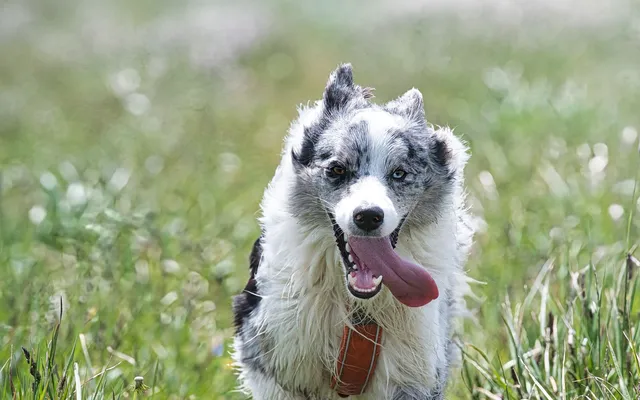
Border Collie: Training, Temperament and Breed Profile
Border Collie breed profile with a training focus: herding instinct, mental work, the over-arousal trap, an off-switch, health and who it does not suit.

French Bulldog: Training, Temperament and Health Profile
French Bulldog breed profile with a training focus: temperament, short sessions, heat limits, an honest look at BOAS and what to check before buying.

German Shepherd: Training, Temperament and Breed Profile
German Shepherd breed profile with a training focus: temperament, exercise and mental work, socialization, common challenges, health risks and who it suits.
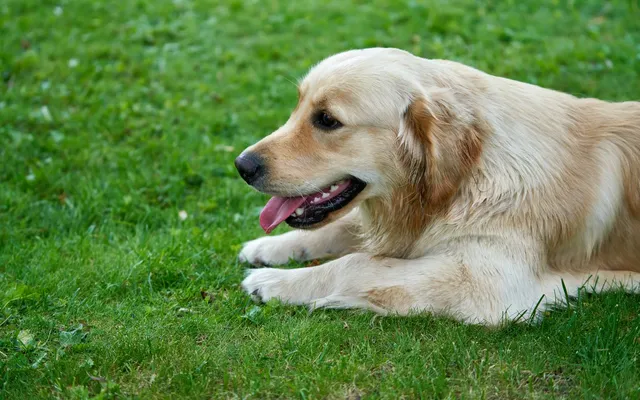
Golden Retriever: Breed Profile, Temperament and Training Guide
Golden Retriever profile: size, weight, lifespan, temperament, exercise and health risks, plus the training priorities that matter most for this breed.

Labrador Retriever: Breed Profile, Temperament and Training
Labrador Retriever profile with a training focus: origin, working vs. show lines, food motivation and weight, exercise, health risks and who the breed suits.